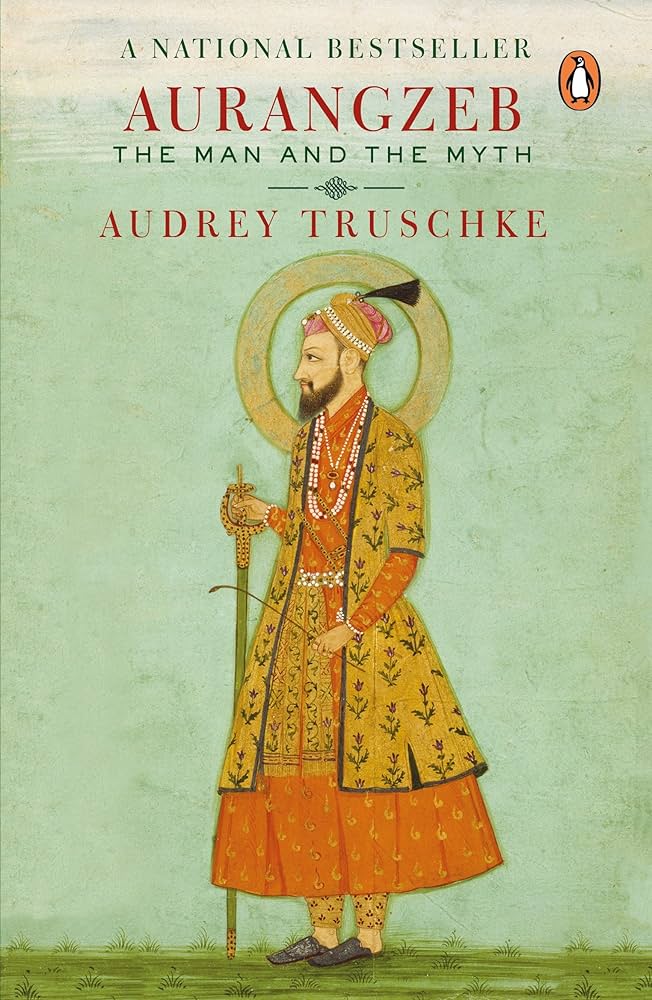
In her book Aurangzeb: The Man and the Myth, Audrey Truschke cites a famous quote by Aurangzeb Alamgir: \” Skilled conquerors are not always skilled rulers. \” This statement made sense in an era when power was seized through military conquests and warfare. However, in today’s world, the path to governance is through elections. In this context, we can adapt the quote to say:
\” Skilled election campaigners are not always skilled rulers. \”
In other words, a leader might excel at running an election campaign and have the ability to captivate and sway the masses. They may win people\’s hearts with persuasive speeches, passionate rhetoric, and promises, create alliances, stoke emotional issues, and play to public sentiment. But this doesn’t necessarily mean they will be an effective administrator once in power.
This idea can be illustrated by comparing the leadership of Manmohan Singh and Narendra Modi. Manmohan Singh was a renowned economist who played a key role in stabilizing and revitalizing India’s economy. During a time of global economic downturn, his foresight kept India relatively insulated from the crisis. His intellectual acumen was widely respected, but in terms of electoral politics, he never found much success.
On the other hand, under Modi’s leadership, India is grappling with soaring inflation, rising unemployment, and increasing economic instability. Sectarianism and division have taken root within society. Despite these challenges, Modi has managed to win every election, as he has mastered the art of winning over the public. While his administration\’s performance may be questioned, his political campaigning success is unmatched.
This shows that a leader who delivers smooth speeches may not necessarily be a capable administrator. Therefore, we need to make wise choices when selecting our leaders. Instead of following the most charismatic orator, we should look for a leader who is genuinely capable of action and can deliver results in the real world.