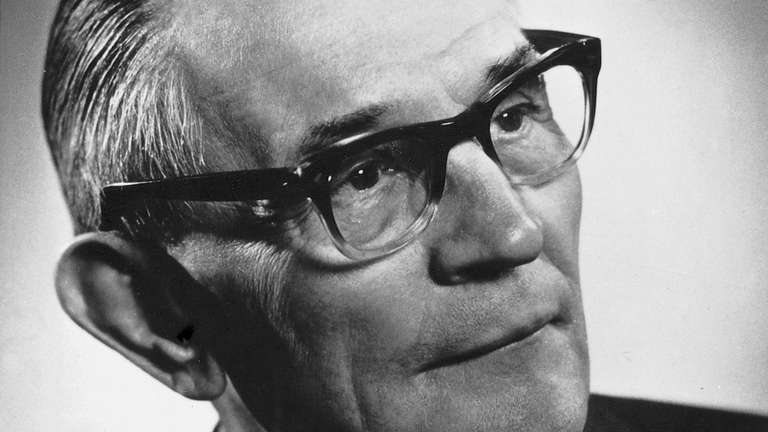
It is said that when communal tensions in India rose, Saadat Hasan Manto made the painful decision to leave the country. His friend, Shyam Chadda, sarcastically mocked him, picking up a bottle of liquor from Manto\’s cupboard: \”Well, you\’re not exactly the true Muslim who should be going to Pakistan, are you?\” Manto\’s reply was sharp: \”Itna musalman toh hoon ki maara jaaon\”
Manto may have had his own complex relationship with religion, but he was keenly aware of his national identity and the growing dangers around him. He understood that in these times, no one was exempt from the tide of change.
In recent years, India’s Muslims have seen the ground slip beneath their feet. One after another, institutions, organizations, and individuals are being suffocated, their voices muted. Some had hoped that only those who openly fought for the rights of the community, those who boldly stood in the face of adversity, would bear the brunt. But the truth has become undeniable: this is a myth. The reality is grimmer. Those who once believed they could remain silent, those who tried to avoid the storm by staying in the shadows, now find themselves trapped in the same web. They have failed to understand that politics, whether we engage in it or not, will always engage with us.
Woh jo aasooda sahil hain, unhein kya maloom
Ab ke mauj aayi toh paltegi kinare le kar
History has shown us the cost of waiting too long. Take the example of Martin Niemöller, the German pastor who, in the early years of Nazi rule, supported Hitler. But in 1937, Niemöller himself was arrested and sent to a concentration camp. In the end, he realized his grave mistake. His remorse is now immortalized in one of the most haunting poems in history:
First they came for the Communists
And I did not speak out
Because I was not a Communist
Then they came for the Socialists
And I did not speak out
Because I was not a Socialist
Then they came for the trade unionists
And I did not speak out
Because I was not a trade unionist
Then they came for the Jews
And I did not speak out
Because I was not a Jew
Then they came for me
And there was no one left
To speak out for me
Niemöller’s warning is clear: Do not wait for your turn to come. Do not think you are safe by staying silent. The storm is already here. If you do not stand now, when the time comes for you, there may be no one left to stand with you.
The struggle is not individual. It is a fight for the whole community. We must stand together, united, or we will fall alone. The time for waiting is over. Now is the moment to act.